
Mistakes happen: it's how we respond that matters. At ZIS, students are learning how to put openess, kindness and fairness first, so when incidents occur - no matter which side you are on - you can be sure of a fair hearing. We delve into the world of restorative practice, and meet the people making it happen.
Sometimes – just sometimes – your child’s day at school just doesn’t quite go according to plan. Incidents occasionally happen, but whichever side of that event your child is on, all parents want the same things: an open hearing, fairness – and kindness. But is that really achievable for everyone concerned? What does a system that puts accountability first really look like? And does it work?
For ZIS’s restorative practice programme, now implemented after a two-year pilot, the answer is a resounding yes. Of course there are still rules and consequences in place, but alongside these boundaries, there is the option to solve problems by sharing experiences, learning about the impact of actions and – crucially – ensuring students face upto the harm they’ve caused and can take responsibility for their choices.
“The general hypothesis behind restorative practice, as set out by Ted Wachtel, the founder of the International Institute for Restorative Practices, is that human beings are happier, more cooperative and productive, and more likely to make positive change in their behaviour, when those in positions of influence do things with them rather than to them,” says Alison Callaghan, Assistant Principal in the Upper School. “Imagine if somebody says: ‘You’ve made a mistake, but we’re going to figure this out together. You’re not a bad person.’ Instead of: ‘You messed up. You’re suspended.’ It’s how I’d want my kids to be treated.”
And that sense of inclusion is particularly keenly felt by the person harmed in any situation, who has the chance to be involved in the outcomes.
You get better attendance, higher academic performance, few behavioural problems and greater teacher satisfaction
“With restorative practices, what matters most isn’t who’s to blame, but the impact of what happened and what’s needed to make things right,” says Laura Mooiman, an expert in restorative practices and PBIS (Positive Behavioural Interventions and Supports). “When a student harmed takes part in a restorative process and is included in decisions that affect them, they feel empowered. They have the space to share how they were affected, what support they need, and what will help them move forward.”
Of course, compassion, fairness and open mindedness – alongside respect, humility, courage and joy – have long been key values at ZIS, but the step towards a more formal programme of restorative practice began two years ago when Laura was invited to advise. “Really what I’m advocating is a gentler and more child-centred approach,” she says. “You can’t punish a kid into being good. It just doesn’t work. You can only really change behaviour with support, listening and giving people the tools that they need.”
Restorative practice has its roots in indigenous communities, with Laura’s model based on the Maori people of New Zealand. “It’s really founded on these more traditional ways of handling conflict, when problems were solved within the community,” she says.
“The idea is that when harm occurs, whether in criminal justice or in discipline in schools, we need to bring together the people that did the harm with the people that were harmed. It’s about involving the community and talking about what happened with honesty. The response becomes the consequence – one rooted in repair, accountability and support, rather than punishment.”
So how does that play out in school situations? Take an instance of bullying – instead of punishing the person who did harm, perhaps by suspension, the school now holds what is known as a “circle,” which might involve the person harmed, those who did harm, a school counsellor, teachers and the Principal – sometimes parents, too. Together they work through a list of questions, such as: “What happened? What were you thinking about at the time? Who’s been impacted and how? What do you think needs to happen to make things right?”
“In a restorative school, accountability means that someone takes responsibility for their actions,” says Laura. “They understand the impact of it. They see: ‘Oh, I really hurt you. I really upset you’, and then they take active steps to make it right.”
Alison, who is studying for a graduate certificate in restorative practices, says that when someone hears directly from the person who has been harmed it can have a powerful effect. “What I really notice is that the level of empathy increases,” she says. “It’s also a way for those who have been harmed to have a voice. We ask them what they need to make it right. People on both sides feel like they’ve been treated with dignity. Even if they have done something wrong or had something wrong done to them, they don’t feel excluded. So we see a strengthening of community.”
While it might not always be a comfortable experience, it’s always a safe one for everyone involved. “No one will interrupt you, no one’s going to yell at you,” says Laura. “Everybody wants to be heard. Children need people to understand them. Yes, maybe they made a bad decision, but often there’s a story behind it.”
So a fair hearing has many benefits, including getting to the truth quicker. “When faced with punitive forms of discipline, children are less likely to be honest about what they’ve done,” says Tanya de Santos, who teaches the neuroscience of compassion and resilience to children, teachers and parents. “One convenient strategy is to deny and not be honest, because who would ever want to be punished?” But when children know they’ll have a chance to explain something in a safe environment, they’re more likely to own up to wrongdoing.
Tanya has worked with ZIS for more than a decade, and also has a child at the school. To her, compassion and restorative practices go hand in hand. “It’s how I’d like to be treated, and it’s the way I’d hope my children would be treated when they’ve made a mistake. I wish for them to repair and restore and understand the person they may have harmed, rather than just defend themselves and go into self-protective mode. It’s about how do we set our children up so that they would want to do better tomorrow?”
ZIS has worked from the top down to implement restorative practices in the school, to make sure policies and practices were in place before rolling it out to the greater community and leaders and counsellors were clear on best practice. Getting parents on board has also been an important step. The school has held parent training sessions where they talk them through the questions used in circles and even encourage them to use them at home.
“These practices really ask us as adults to first regulate ourselves before we can hear different points of view,” says Tanya. “So much of our training as parents is deep listening: how do we keep an open mind and an open heart, and still hold what hurts, with compassion?”

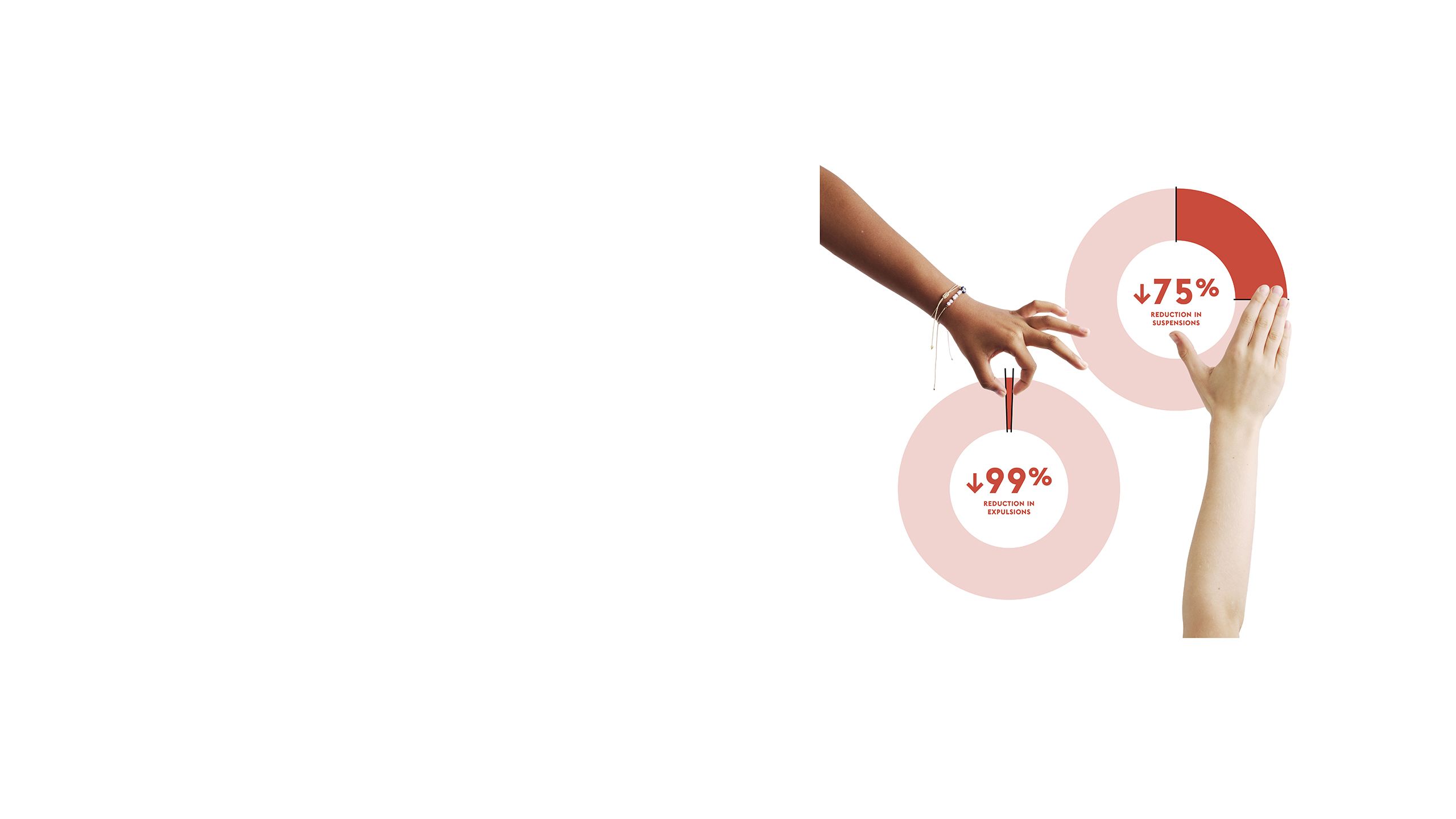
Alison says that sometimes people can think restorative practice is an easy way out compared to traditional modes of discipline. “I’ve had a few people who were on the fence about it, and then they’ve sat through a circle and realised it’s way harder.” It also doesn’t mean other disciplinary practices are completely obsolete. “We might do the restorative process of identifying the harm and how to make it right, but still combine it with more traditional discipline,” she says. “But if we suspend a student, there’s a reason for it.” It might be that the school needs time to plan a restorative circle or some cooling off time is needed for those involved.
Dealing with things when they go wrong is just one part of restorative practice in action. The aim is to shift the culture so that things are dealt with before they reach that point. “We say 80 per cent of time and energy is preventing problem behaviour by building community and relationship, and 20 per cent is spent resolving conflict and harm,” says Laura, who continues to provide training for the ZIS community.
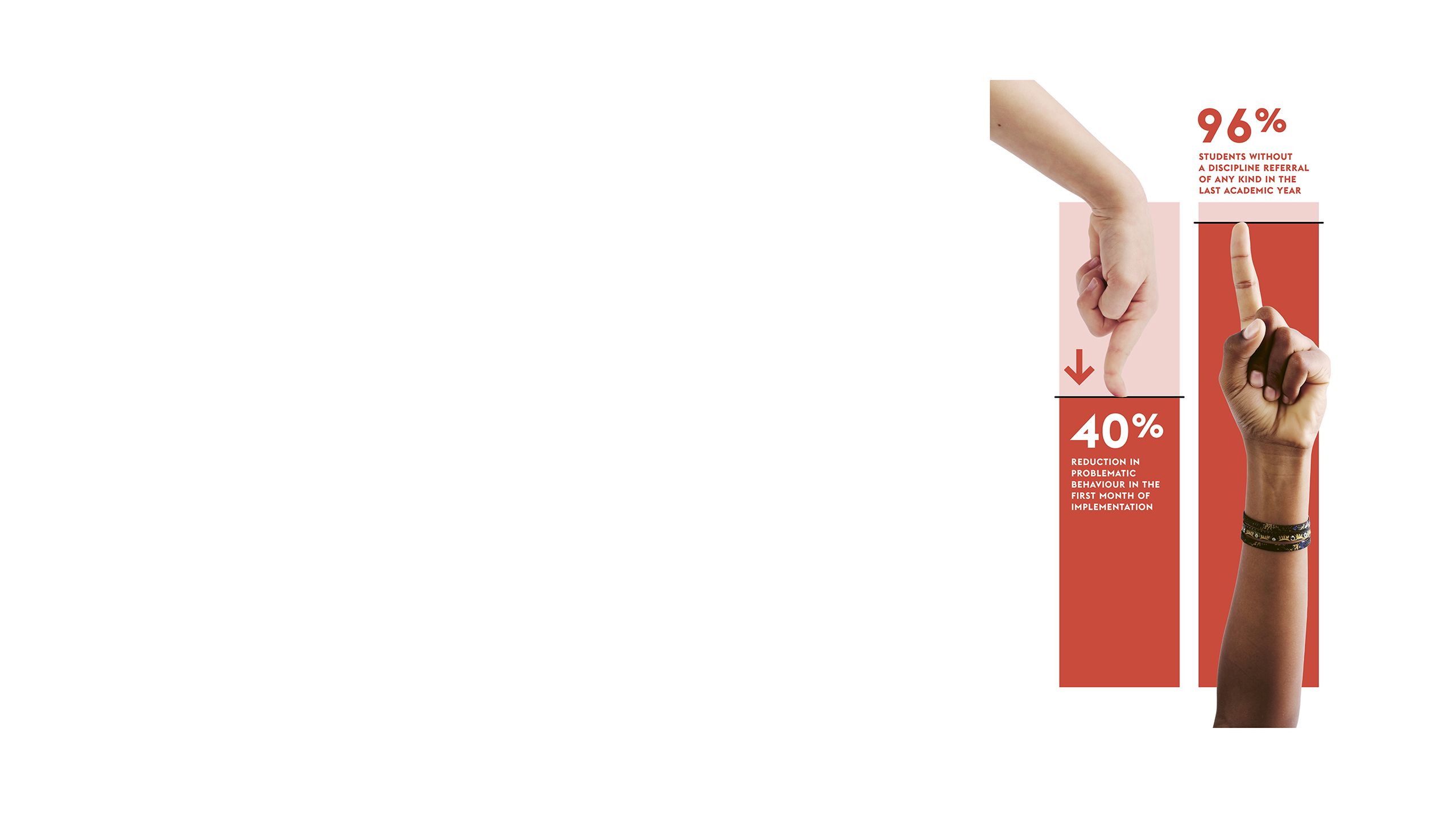
The proactive side involves another type of circle – the community-building circle. The aim is to get students to share more about themselves in order to foster relationships and respect. “You start with fun, low risk questions like: ‘Who would play you in a movie?’ Then you move up to moderate subjects like how you handle frustration or anxiety, and then eventually more difficult things like culture, race and identity,” says Laura. Building stronger relationships has many knock-on effects. “You have better attendance, higher academic performance, fewer behavioural problems and greater teacher satisfaction.”
The evidence is clear, where you see the best in someone, they will act better for it
ZIS is also making tweaks to its language, rephrasing guidelines in the student handbook to sound less like rules that students will be punished for breaking and more like clear expectations for behaviour. It’s a vote of confidence in students’ ability to do the right thing. “The evidence and data are very clear on this point: when you see the best in someone, they will act better for it,” says Tanya. “The culture is setting that tone.”
Alison hopes the skills students are developing won’t just help them in school but set them up for navigating conflict and challenging situations throughout their lives. The plan is to train students so that they can facilitate their own circles. “I would love to get to a stage where students are asking for a circle themselves, or even for it to happen without an adult.”
The more students are invested in their community, the more likely they are to want to repair any damage to it. “When you do the proactive work of building relationships and empathy, you really care when harm is done,” says Alison. “It’s the idea that this is our community and we’re going to uphold these standards – but we’re going to help you stay a part of it, even when someone’s messed up.

 Built with Shorthand